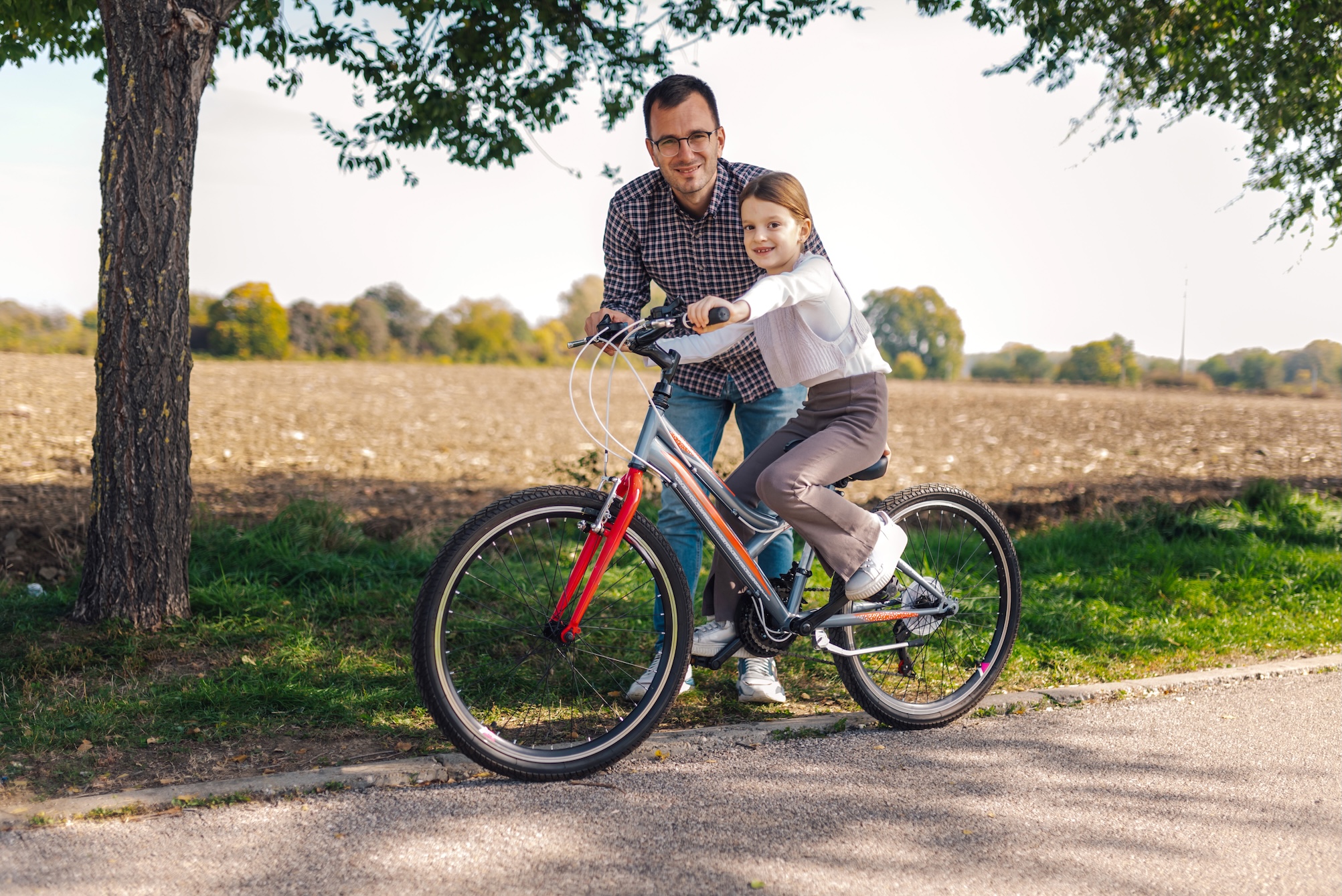
Known as the “cycling nation,” the Netherlands has a highly developed cycling infrastructure and traffic system, making cycling one of the most common forms of transportation. From daily commuting to school runs, bicycles are deeply integrated into urban life. To cultivate safe riding habits, many Dutch primary school students obtain a so-called “bicycle driving license” before graduating.
Road Safety Education Starts in Schools
Most primary schools in the Netherlands organize traffic examinations (Verkeersexamen) and cycling certificates (Verkeersdiploma) for senior students. The assessment includes both a written test on traffic rules and an on-road cycling exam. Through real-world riding experience, children learn to assess traffic conditions, follow road rules, and develop independent mobility skills. It is widely regarded as an important milestone in primary school graduation, preparing students for commuting independently to secondary school.
Unlike neighboring countries such as Denmark and Germany, where assessments are often conducted in enclosed areas or controlled environments, the Dutch cycling exam takes place directly on public roads. This allows students to gain experience in real traffic conditions, improving their situational awareness and reaction abilities.
The Dutch Road Safety Association (Veilig Verkeer Nederland, VVN), which oversees traffic education, reports that around 70% of primary school teachers in the Netherlands dedicate weekly time to road safety lessons. VVN also provides age-appropriate teaching materials for grades 1 to 8, helping schools integrate traffic safety into everyday education.
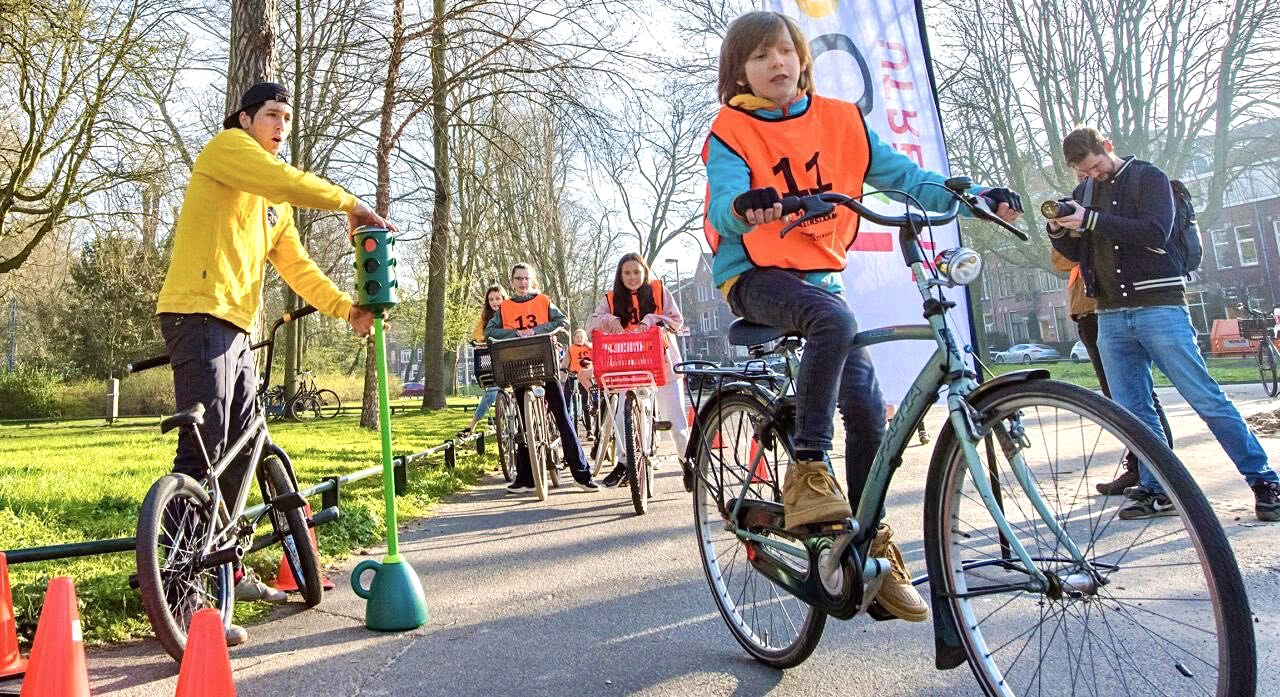
photo by Holland Education Association in Taiwan
Declining Cycling Rates Among Children: New Challenges for Safety Education
Despite its strong cycling culture, the Netherlands has recently seen a decline in the number of children cycling to school. According to research by the Dutch Cyclists’ Union (Fietsersbond), around 30–50% of parents choose to drive their children to school due to safety concerns, longer distances, or commuting convenience.
As more parents drive, school zones become increasingly congested, which further reinforces perceptions of traffic danger and reduces the space available for children to walk or cycle—creating a self-reinforcing cycle.
Children’s Right to the Road: Building a Safer Cycling Environment Together
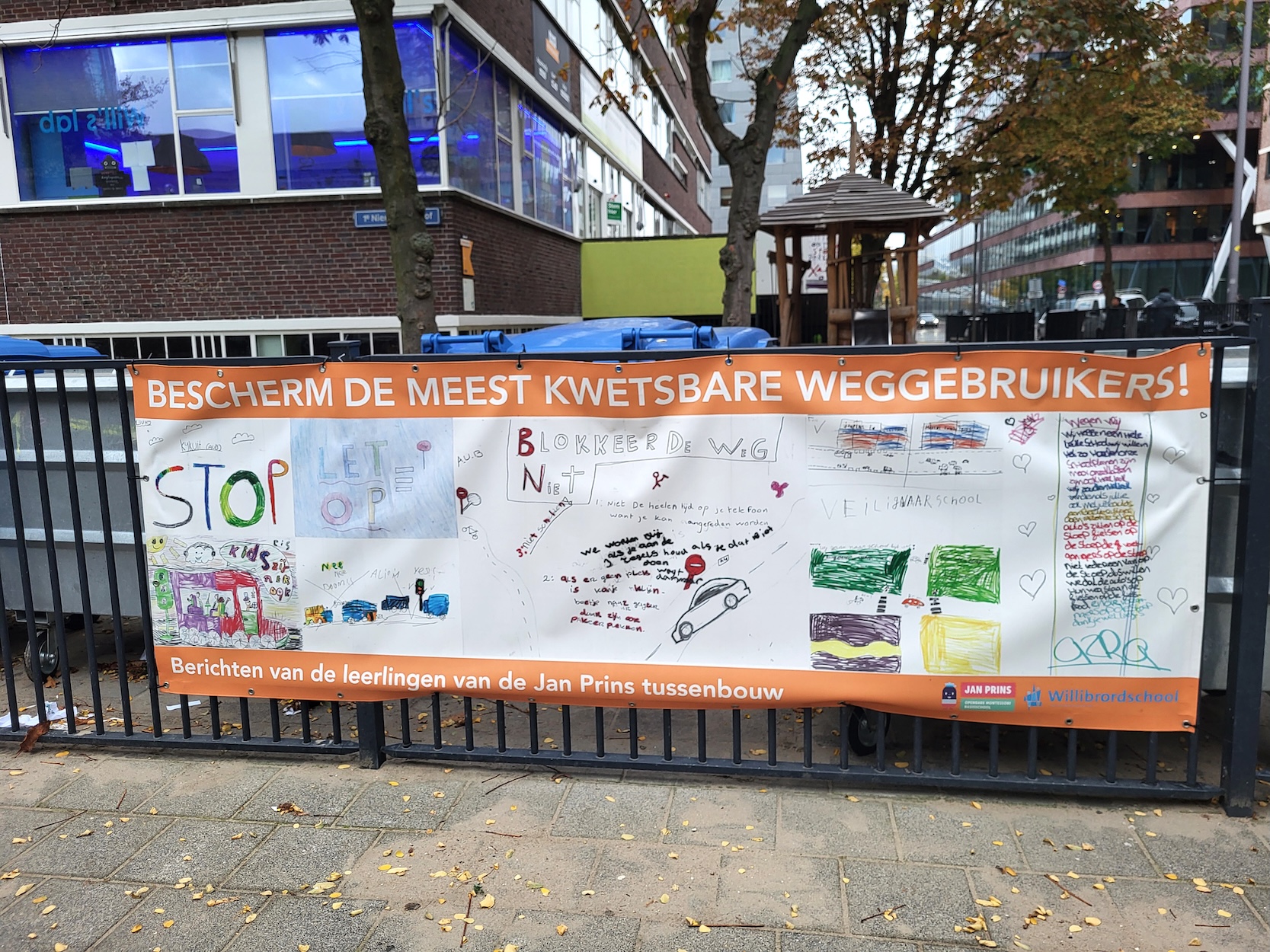
At two primary schools sharing a campus behind Rotterdam’s iconic Markthal, around 800 students arrive at school daily. This concentration of traffic has led to frequent congestion and conflicts among parents, residents, and students.
To address this issue, the schools have engaged students in discussions about local traffic conditions and worked with nearby residents, businesses, and the city government to promote a “children’s right to the road” initiative. The Rotterdam municipality plans to redesign parts of the street in front of the school into dedicated cycling lanes while reducing space for motor vehicles, allowing children to enter and exit the campus more safely by bicycle.
From traffic education to urban design, the Netherlands emphasizes not only road rules but also the development of children’s ability to participate in traffic independently and safely. Through daily cycling experience, children gradually become confident and autonomous road users and cyclists.