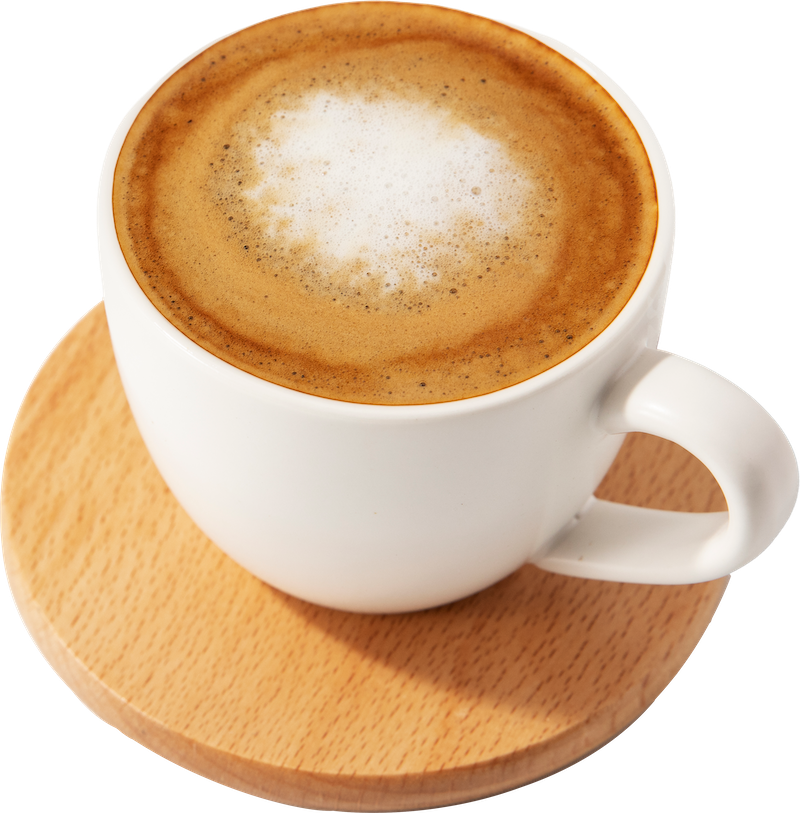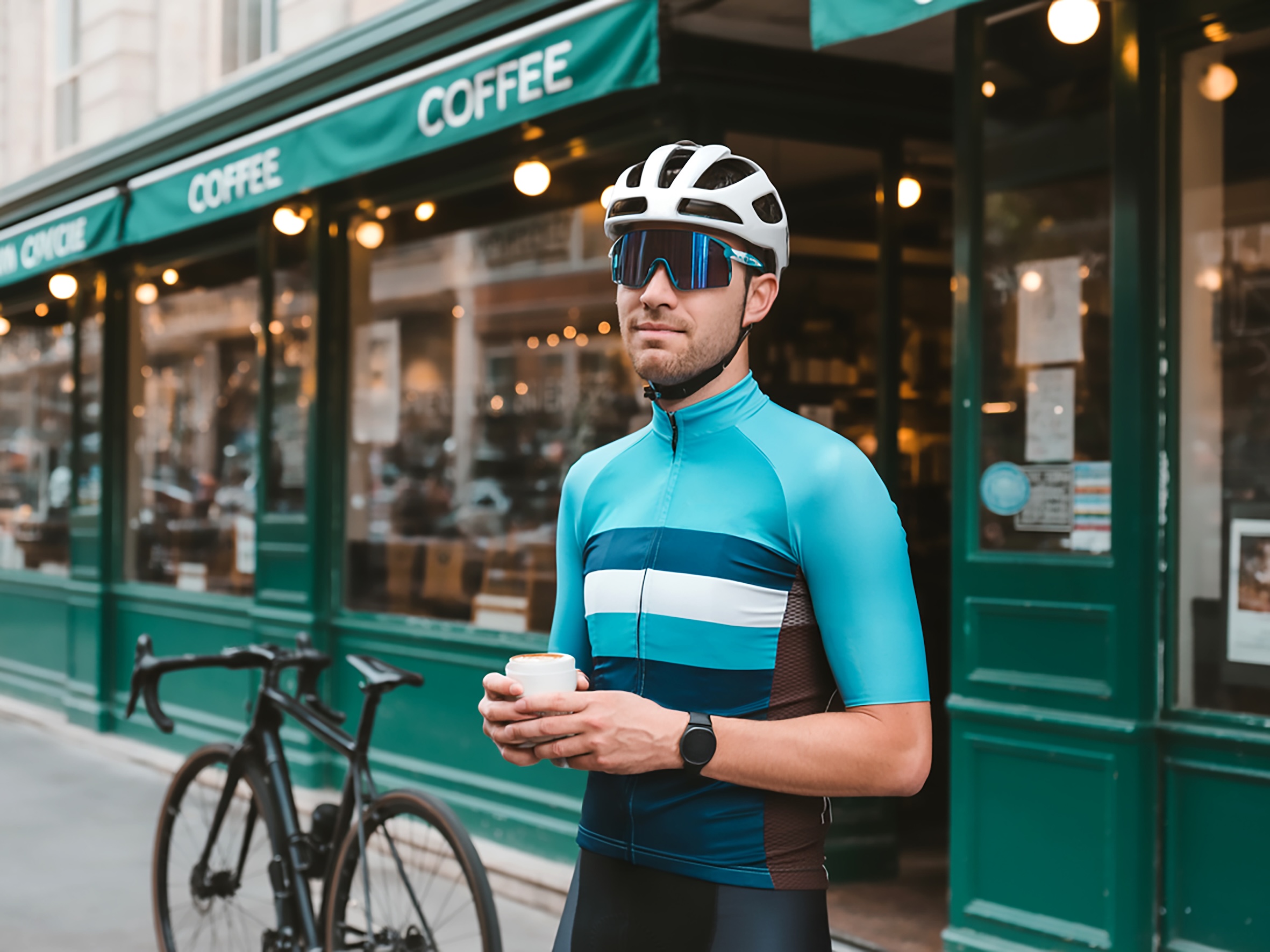
A cup of rich, aromatic coffee has become a daily ritual for many people. For cycling enthusiasts, it often plays an essential role in boosting alertness and offering a moment of relaxation during rides. When consumed correctly, coffee can have a very different impact on cycling performance and experience—acting as a “hidden accelerator” that is invisible but highly effective.
Caffeine Helps “Trick” the Brain and Improve Endurance
Fatigue during cycling is closely related to the activation of adenosine receptors in the brain. Caffeine works by blocking these receptors, reducing fatigue signaling and helping the brain maintain a higher level of alertness and focus. As a result, endurance performance can be extended.
In addition to enhancing mental state, caffeine also improves fat utilization efficiency. During exercise, the body primarily relies on carbohydrates and fats for energy. Caffeine can promote the breakdown of fat into free fatty acids, which are then used as an additional energy source. For long-distance cycling, this helps extend riding range and improve overall efficiency, while also supporting fat metabolism and energy expenditure.
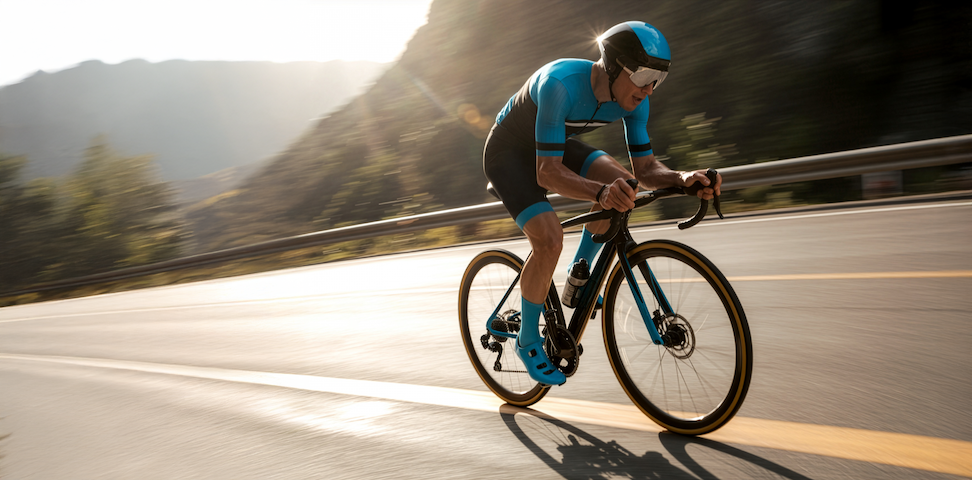
How Much and When to Take It: Timing Your Caffeine Intake for Peak Performance
According to a simple guideline provided by Tseng Yi-Chun, a dietitian at Taiwan’s National Sports Training Center, the recommended caffeine intake is about 3 mg per kilogram of body weight. For example, a 70 kg adult would consume approximately 210 mg of caffeine, equivalent to about two espresso shots.
Dietitian Tseng suggests that consuming caffeine around 60 minutes before a ride is the optimal timing, allowing it to take full effect during the ride. For long-distance cycling sessions exceeding 90 minutes, a “low-dose, split supplementation” strategy is often used. This involves reducing each intake to around 2–4 mg per kilogram of body weight, while ensuring the total daily intake does not exceed 9 mg per kilogram. This approach helps avoid side effects such as elevated heart rate or anxiety, while maintaining stable performance throughout the ride.
Caffeine content can vary depending on coffee bean origin, grind size, and brewing temperature. In addition, other sources such as tea, cola, energy drinks, and flavored protein supplements may also contain caffeine, which can easily lead to unintentional overconsumption.
In recent years, many sports nutrition brands have introduced “pre-workout” supplements, including ingredients such as yerba mate and guarana. These products often already contain caffeine, along with other stimulant-like compounds. Combining them with additional caffeine intake may overstimulate the central nervous system, so caution is advised.
Dietitian Tseng Yi-Chun emphasizes that excessive caffeine intake may lead to side effects such as tremors, anxiety, elevated blood pressure, dizziness, cold sweats, and gastrointestinal discomfort, all of which can negatively impact athletic performance. For this reason, she recommends using standardized forms of caffeine intake, such as caffeine tablets or gels, to ensure precise dosage control.
Smarter Caffeine Intake for Better Cycling Performance
Recent studies have found that combining caffeine with L-theanine can enhance focus while reducing side effects such as heart palpitations and hand tremors. It is generally recommended to consume 100–200 mg of L-theanine alongside caffeine in purified supplement form to achieve optimal effects.
In addition, if fatigue becomes severe during a ride—such as exhaustion or trembling—the body actually needs carbohydrate replenishment, such as energy gels or sports drinks, rather than additional caffeine.
For cycling enthusiasts, it is advisable to start with low doses and observe individual responses to find the most suitable intake level. It is also important to manage timing—avoid caffeine consumption at least four hours before bedtime to prevent interference with sleep and recovery. Finally, be aware of hidden sources of caffeine in the daily diet to avoid unintentional overconsumption.