When you hear the word “polo,” do you picture elegantly dressed riders from the upper class, galloping across a grass field while swinging mallets in pursuit of a ball?
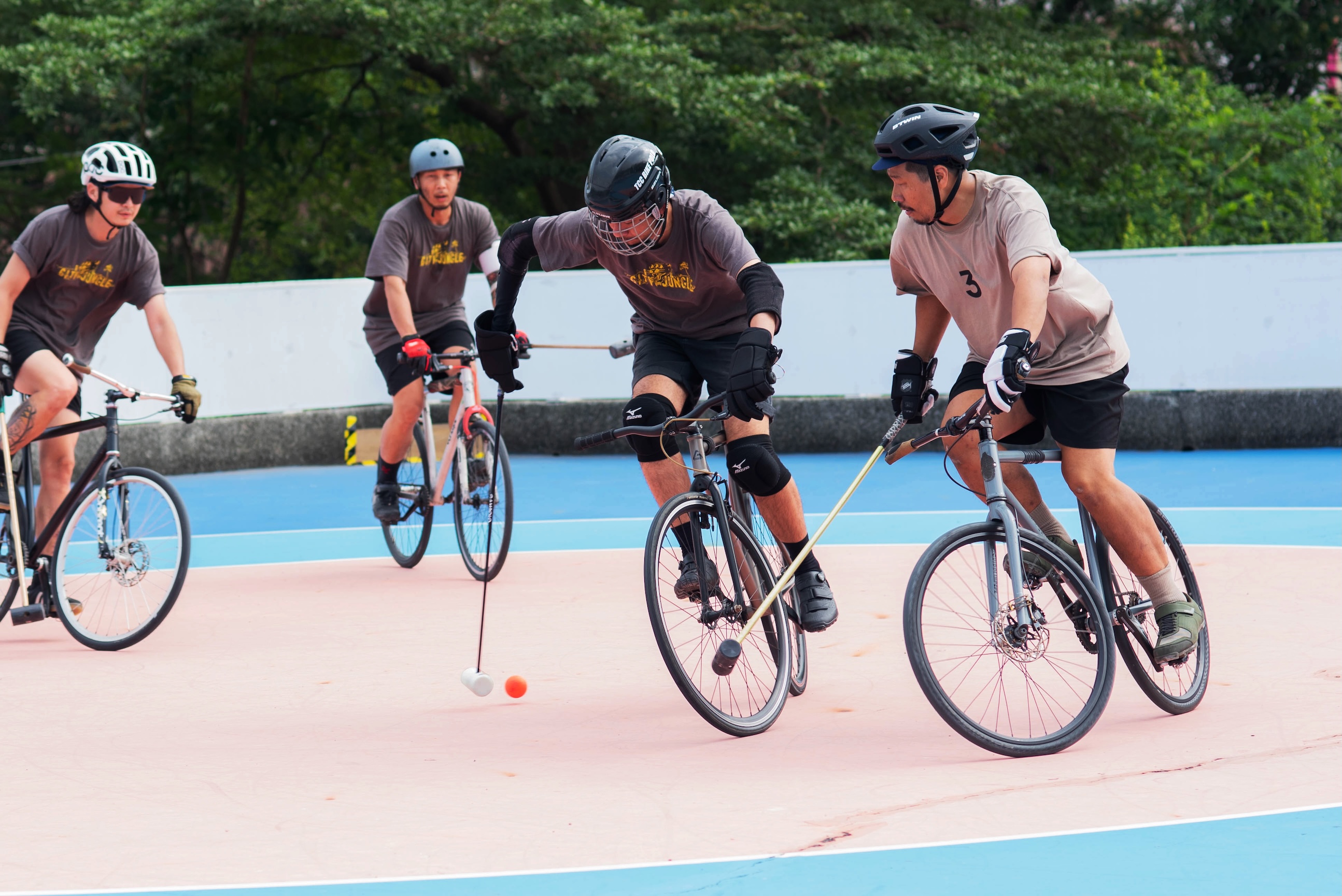
Now imagine replacing the horses with modern steeds — bicycles. The sound of spinning chains takes the place of pounding hooves, and a new sport combining speed, strategy, and adrenaline is born: Bike Polo.
More than just a cycling activity, Bike Polo transforms the bicycle into a platform for competition, teamwork, and creativity, revealing the diverse possibilities of what cycling can become.
A Cross-Cultural Sport Bridging Tradition and Innovation
The origins of Bike Polo can be traced back to 1891, when Irish cycling enthusiast Richard J. Mecredy created the sport. Seeking a new way to promote cycling, he combined bicycles with the traditional game of polo, creating a unique sport that blended heritage with innovation.
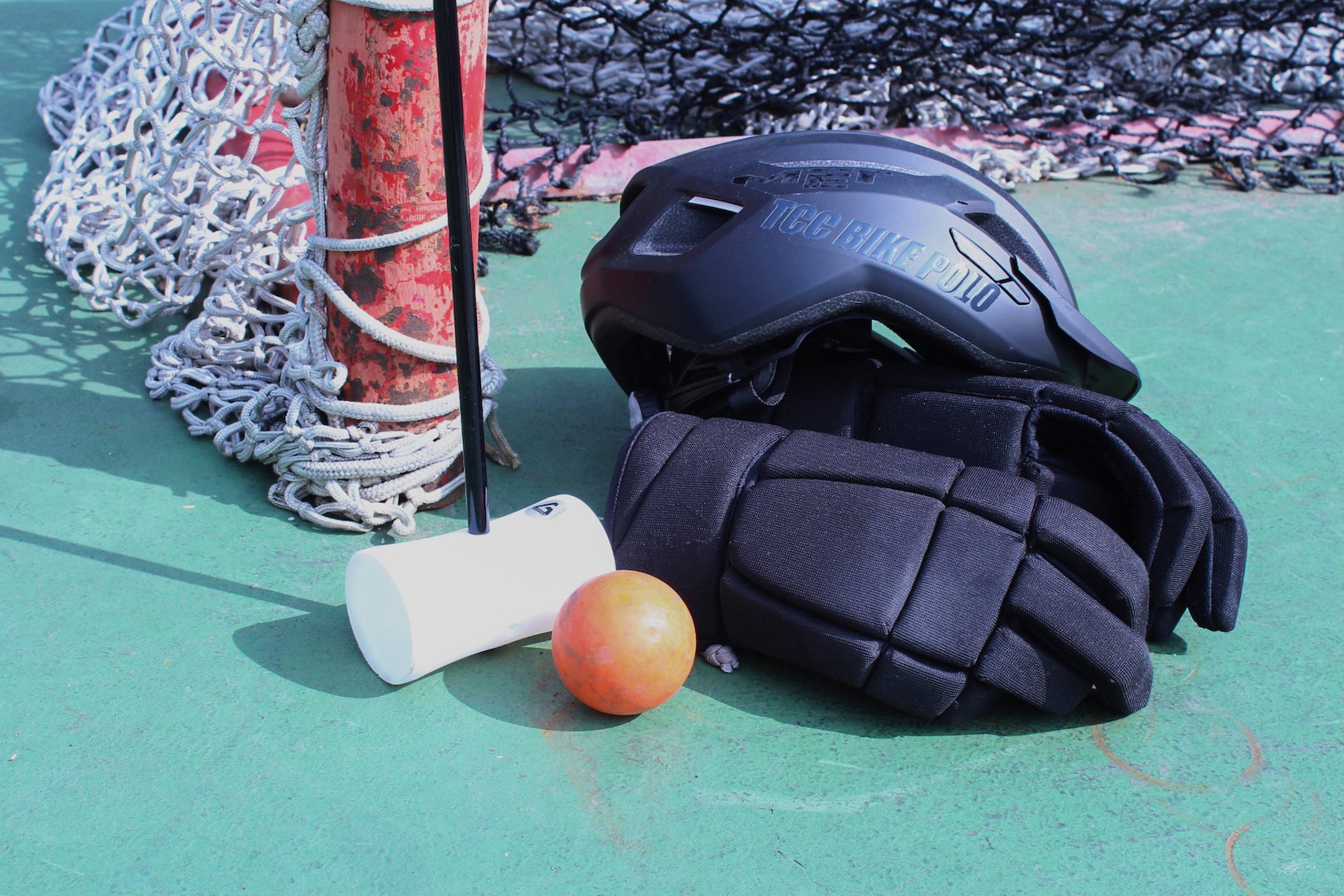
Compared with traditional polo, Bike Polo has a much lower barrier to entry. It does not require expensive equipment or specialized venues. With only a bicycle, mallet, and protective gear, riders can experience the excitement of a sport that originated from an aristocratic pastime.
The agility of bicycles, combined with the teamwork, strategy, and competitive intensity of ball sports, has made Bike Polo increasingly popular among urban cycling communities around the world.
A Test of Balance, Control, and Coordination
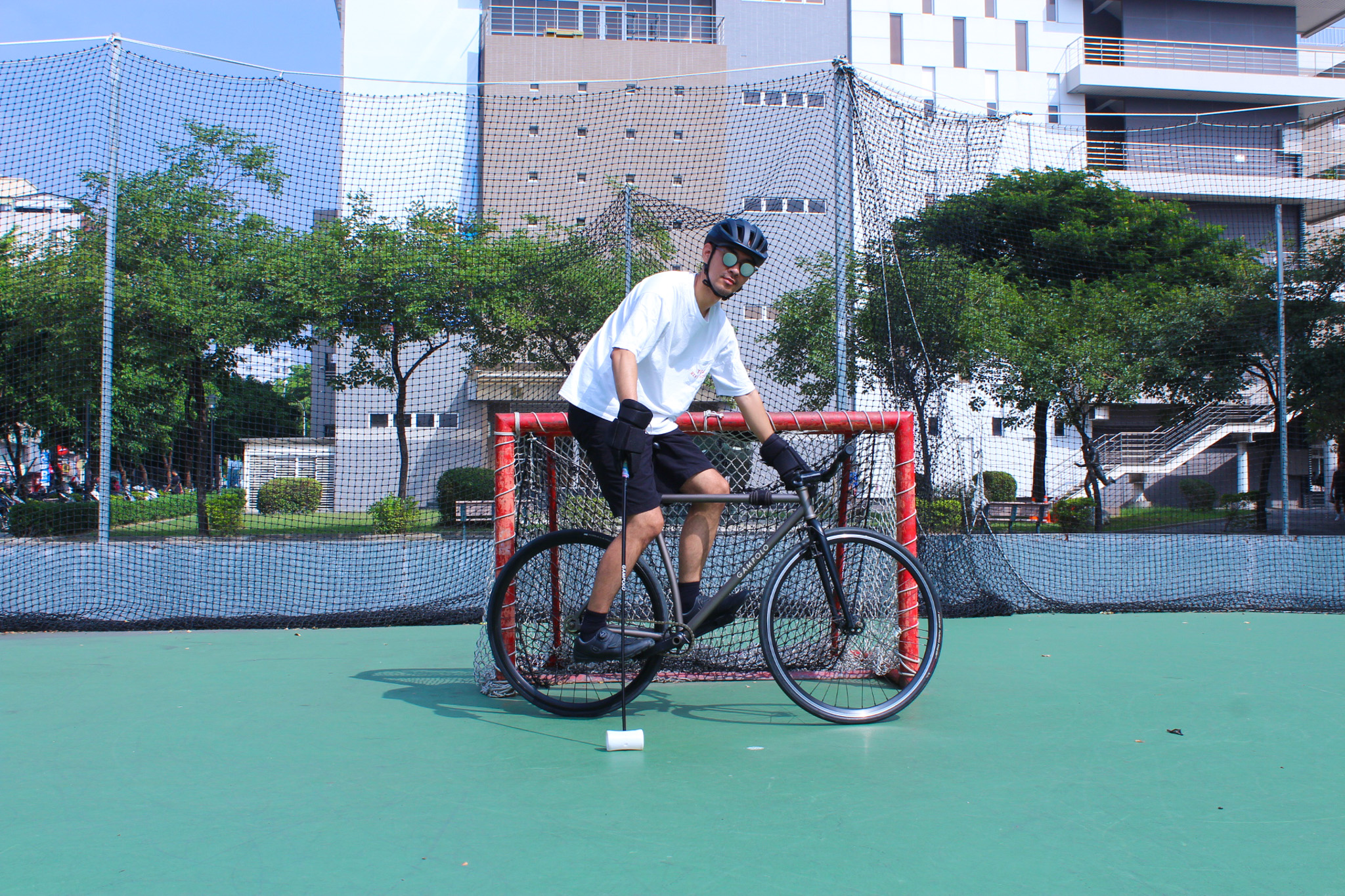
Unlike traditional polo fields, Bike Polo is played on a much smaller court, often using basketball courts or small football pitches. The sport has two main formats: grass Bike Polo and hardcourt Bike Polo.
Grass Bike Polo emphasizes endurance and technical skills, while hardcourt Bike Polo has become the dominant modern format, typically played on enclosed hard surfaces. Standard matches feature teams of three players, with no fixed goalkeeper — every player must switch between attacking and defending throughout the game.
Goals are placed at both ends of the court, and players use mallets to strike the ball into the opposing goal. The first team to score five goals, or the team with the higher score when time expires, wins.
One of the sport’s unique rules is that players are not allowed to put their feet on the ground while riding. Any player who touches the ground must return to the sidelines and tap a designated marker before rejoining the game.
This simple rule adds another layer of challenge, requiring riders to maintain balance, bike control, tactical awareness, and teamwork. Bike Polo is not only a test of cycling skills but also a game of strategy and collaboration.
A Decade of Dedication: Taiwan’s Bike Polo Advocate

In Taiwan, one of the key figures behind the growth of Bike Polo is Wei Shih-Hsin (Xiao Wei), founder of the Taichung-based TCC Bike Polo community.
A decade ago, when Bike Polo was still relatively unknown in Taiwan, Xiao Wei discovered the sport through an overseas video online. The combination of two activities he loved — cycling and competitive sports — immediately caught his attention.
For him, the greatest appeal of Bike Polo lies in its simplicity and endless possibilities.
“Bike Polo is actually a sport that the whole family can enjoy,” Xiao Wei says. “It doesn’t require specific equipment or advanced skills. As long as you know how to ride a bike and aren’t afraid of falling, you can give it a try. Even a YouBike can work.”
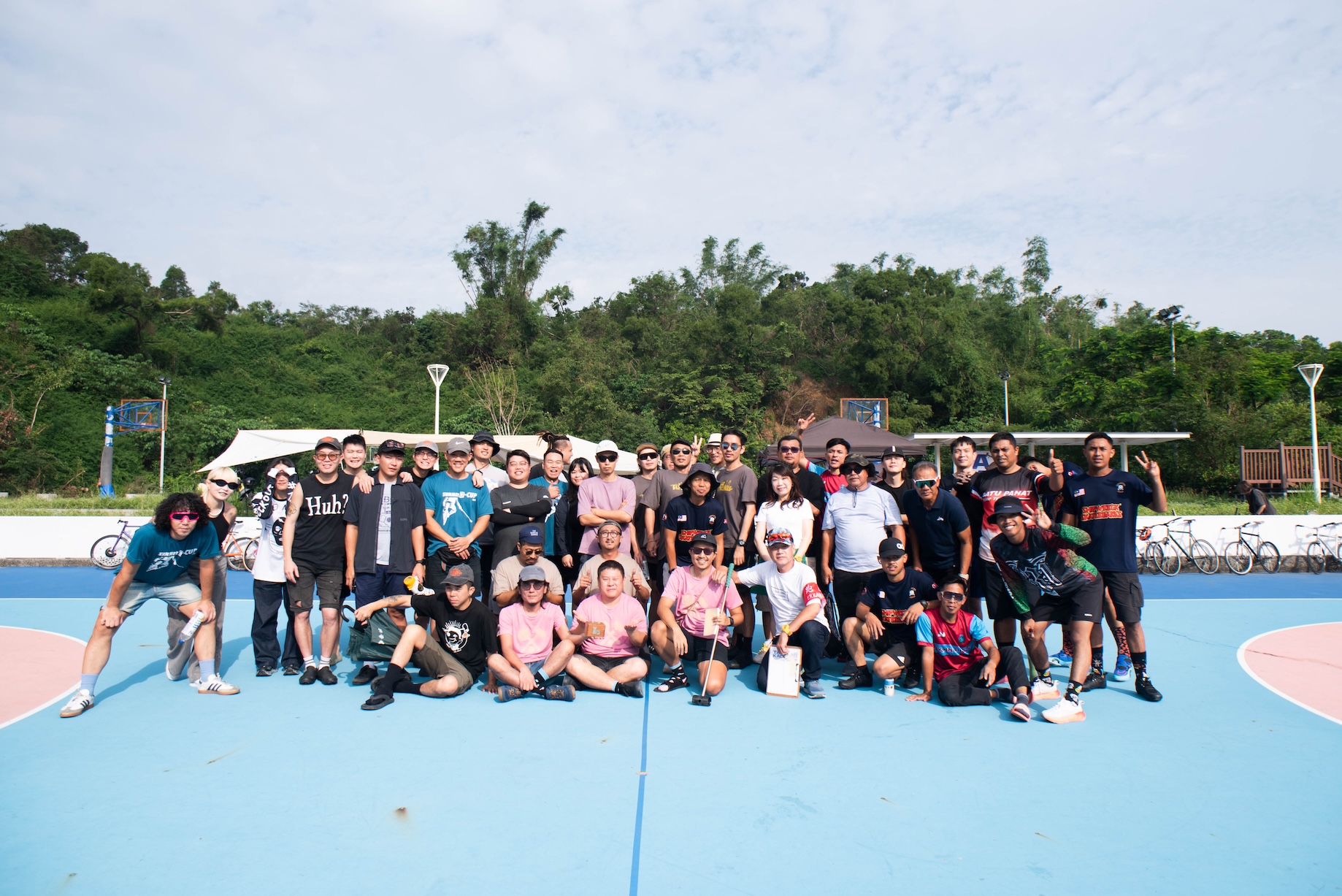
Through the efforts of Xiao Wei and other enthusiasts, Bike Polo has gradually gained recognition in Taiwan. Local communities now organize regular matches and exchange events, attracting international players to participate and creating opportunities for cultural exchange and skill sharing.
More than a sport, Bike Polo has become another way to redefine the relationship between people, bicycles, and urban spaces — proving that cycling is not limited to speed or distance, but can also be a form of creativity, connection, and community.